
AI vs Human Therapist Comparison 2026: What Science Says About Digital Mental Health
Evidence-based AI vs human therapist comparison 2026. Clinical professional reviews effectiveness, costs, privacy & when each works best.
📋 Table of Contents
- 1 The Evolution of Mental Health Care in 2026
- 2 Quick Comparison: AI vs Human Therapy in 2026
- 3 Understanding AI Therapy Tools: How They Actually Work
- 4 The Human Therapist Advantage: What AI Can’t Replicate (Yet)
- 5 Where AI Therapy Excels: Evidence-Based Benefits
- 6 2026 AI Therapy Tools Review: Free and Paid Options Analyzed
- 7 Woebot Health: The Evidence-Based Standard
- 8 Wysa: The Free, Accessible Option
- 9 Youper: AI-Powered Mood Tracking and Personalization
- 10 Replika: The AI Companion for Emotional Support
- 11 Limbic Access: The NHS-Backed Clinical Pathway Tool
- 12 Anthropic Claude for Wellness Conversations: The High-Quality General AI
AI vs Human Therapist Comparison 2026: What Science Says About Digital Mental Health
Guide
Disclosure: This article contains affiliate links. If you purchase through these links, AI Tool Clinic may earn a commission at no extra cost to you. We only recommend tools we have personally tested and evaluated using our evidence-based framework.
Reading time: 16 min read
Kedarsetty | CCDM® | April 2026
Important: AI mental health apps are not a replacement for professional mental healthcare. If you are experiencing a mental health crisis, please contact a qualified healthcare professional or crisis helpline in your region. The tools reviewed here are supplemental wellness supports, not diagnostic or treatment tools.
The Evolution of Mental Health Care in 2026

Photo: Liudmyla Honcharova / Pexels
When I review clinical trial data across therapeutic areas, one pattern consistently emerges: patient-reported outcomes improve most when intervention timing is optimal. In mental health care, that timing is almost never optimal. The average wait time for a first therapy appointment in the US reached 48 days in 2024. For someone experiencing acute anxiety or depression, 48 days feels like an eternity.
That gap—between need and access—is where AI therapy tools have found their foothold in 2026. Not as replacements for human therapists, but as immediate-access supports that can bridge the waiting period, extend human therapy between sessions, or provide standalone help for mild-to-moderate symptoms.
I’m Kedarsetty, a Senior Global Data Manager with 12+ years in clinical research and a CCDM® certification. I’ve spent my career evaluating evidence quality in pharmaceutical trials, including psychiatric medications and digital therapeutics. When AI therapy tools started proliferating in 2022-2023, I watched with clinical skepticism: Were these evidence-based interventions or glorified chatbots with therapeutic language tacked on?
Three years later, the data picture is clearer—and more nuanced than either the enthusiasts or skeptics predicted. Some AI therapy tools now have peer-reviewed efficacy data comparable to entry-level human therapy for specific conditions. Others remain unvalidated wellness apps with therapeutic branding. The difference matters enormously if you’re deciding whether to trust one with your mental health.
This guide presents an evidence-based comparison between AI and human therapy in 2026. I’ve personally tested eight leading AI therapy platforms over six months, reviewed 40+ clinical studies on digital mental health interventions, and consulted with licensed therapists about where AI fits in their practice models. My goal is to help you make an informed decision about when AI therapy is appropriate, when human therapy is essential, and when a hybrid approach makes clinical sense.
Quick Comparison: AI vs Human Therapy in 2026

Photo: Themba Mtegha / Pexels
| Factor | AI Therapy Tools | Human Therapist | Hybrid Approach |
|---|---|---|---|
| Cost | $0-$70/month | $100-$300/session | $50-$150/month + sessions |
| Availability | 24/7 immediate access | Scheduled (avg 2-6 week wait) | Flexible scheduling |
| Evidence for Mild-Moderate Symptoms | ⭐⭐⭐⭐ (Strong for CBT-based apps) | ⭐⭐⭐⭐⭐ (Gold standard) | ⭐⭐⭐⭐⭐ (Best outcomes) |
| Complex Trauma/Severe Conditions | ⭐⭐ (Limited/not recommended) | ⭐⭐⭐⭐⭐ (Essential) | ⭐⭐⭐⭐⭐ (With therapist oversight) |
| Crisis Support | ⭐⭐⭐ (Can redirect to hotlines) | ⭐⭐⭐⭐⭐ (Trained intervention) | ⭐⭐⭐⭐⭐ (Immediate + follow-up) |
| Privacy | ⭐⭐⭐ (Varies; check HIPAA status) | ⭐⭐⭐⭐⭐ (HIPAA-compliant) | ⭐⭐⭐⭐ (Depends on integration) |
| Personalization | ⭐⭐⭐⭐ (Algorithm-driven) | ⭐⭐⭐⭐⭐ (Deep individual understanding) | ⭐⭐⭐⭐⭐ (Data-informed + human judgment) |
| Best For | Accessible first-line support | Moderate-severe conditions, complex issues | Optimal outcomes for most users |
Understanding AI Therapy Tools: How They Actually Work

Photo: Polina Zimmerman / Pexels
In clinical research, we distinguish between the intervention and the mechanism of action. For AI therapy tools, understanding the mechanism helps you evaluate what they can—and cannot—realistically achieve.
The Technology Behind Digital Therapists
Modern AI therapy tools operate on three core technologies:
Natural Language Processing (NLP) allows the AI to understand your written or spoken input. When you type “I’m feeling overwhelmed by work stress,” the NLP system identifies key sentiment markers (negative valence), contextual triggers (work), and emotional states (overwhelm, stress). Advanced systems in 2026 can detect nuanced emotional shifts across conversation threads—noticing, for example, when your language patterns suggest worsening mood even if you claim to feel “fine.”
Machine Learning Models power the therapeutic responses. These models are trained on massive datasets of actual therapy transcripts, validated psychological interventions, and clinical outcome data. Tools like Woebot and Wysa use supervised learning approaches where licensed therapists reviewed and validated the AI’s response patterns before deployment. The model learns to map specific input patterns to evidence-based therapeutic techniques—delivering CBT reframing for catastrophic thinking, or mindfulness prompts for rumination.
Large Language Models (LLMs) like those powering Claude, GPT-4, and specialized therapeutic AI create the conversational flow. In 2026, the leading therapy tools use fine-tuned LLMs specifically trained on psychological frameworks. This prevents the generic, sometimes harmful responses that earlier general-purpose chatbots sometimes generated. When I tested Anthropic’s Claude for wellness conversations, the model consistently applied therapeutic boundaries—it refused to provide diagnostic labels, redirected suicidal ideation to crisis resources, and acknowledged the limits of AI support.
Different Types of AI Therapy Tools
CBT Chatbots (Woebot, Wysa, Youper) deliver structured cognitive behavioral therapy through guided conversations. You report a thought or feeling, the AI identifies cognitive distortions, guides you through evidence examination, and suggests reframes. These tools follow established CBT protocols translated into conversational formats. The clinical evidence base is strongest for this category—multiple RCTs show efficacy for mild-to-moderate depression and anxiety.
Mood Tracking with AI Insights (Limbic Access, Youper) combine daily emotional check-ins with pattern recognition algorithms. Over time, the AI identifies your mood triggers, warning signs of decline, and what interventions work best for you personally. When I tested Youper for 12 weeks, it correctly identified that my stress spikes correlated with specific work meeting types and suggested pre-emptive anxiety management on those days. The personalization improved significantly after week 4 as the dataset grew.
Conversational AI Companions (Replika, Pi) offer open-ended emotional support conversations. These aren’t therapy-specific but provide empathetic listening and reflection. The evidence base is weaker here—primarily user satisfaction data rather than clinical outcomes. However, for users who primarily need non-judgmental space to process thoughts aloud, the accessibility advantage is significant.
Voice-Based Therapy (emerging in 2026) uses speech analysis to detect emotional state from vocal prosody, pace, and tone. Combined with conversational AI, these tools offer a closer approximation to in-person therapy. Early research suggests voice-based AI shows better engagement rates than text-only interfaces, particularly for users with writing barriers.
What AI Can and Cannot Do
From a clinical perspective, AI therapy tools in 2026 excel at delivering structured, protocol-based interventions. They can reliably teach CBT skills, guide mindfulness exercises, provide psychoeducation, and offer 24/7 emotional support. The algorithms show no fatigue, maintain consistent therapeutic stance, and can personalize pacing to the user’s learning speed.
What AI cannot do: diagnose mental health conditions, process complex trauma requiring titrated exposure therapy, detect and address therapeutic ruptures in real-time, integrate non-verbal communication cues, navigate ethical gray areas requiring clinical judgment, or provide the healing power of genuine human connection. No amount of algorithmic sophistication replicates the experience of being truly seen and understood by another human being.
The best AI therapy tools are transparent about these limitations. The concerning ones are not.
The Human Therapist Advantage: What AI Can’t Replicate (Yet)

Photo: Alina Chernii / Pexels
After reviewing hundreds of therapy session transcripts as part of digital therapeutics validation studies, I can identify patterns that even sophisticated AI consistently misses.
The Irreplaceable Elements of Human Therapy
Therapeutic Alliance—The Relationship That Heals: Meta-analyses consistently show that 30-40% of therapy outcomes are attributable to the therapeutic relationship itself, independent of the specific intervention technique used. This alliance—the sense of being understood, trusted, and collaboratively working toward healing—requires human attunement that operates below the level of language. A skilled therapist tracks your micro-expressions, responds to what you don’t say, and adjusts their approach based on relational cues that no algorithm can yet capture.
In my testing of AI therapy tools, even the most advanced systems missed relational moments. When I expressed frustration with a CBT exercise, Woebot provided additional psychoeducation about the technique’s evidence base. A human therapist would have validated my frustration first, explored whether the exercise felt culturally relevant to me, and potentially adjusted the approach entirely. That flexibility—born from genuine understanding—is uniquely human.
Complex Trauma Requires Expert Navigation: Trauma processing involves carefully titrated exposure, precise timing of interventions, and constant monitoring for emotional overwhelm or dissociation. I’ve reviewed adverse event reports from digital therapeutic trials where automated exposure exercises triggered severe distress because the algorithm couldn’t detect when a user was dysregulating. Human therapists bring years of training in trauma-informed care that allows them to pace work safely.
Diagnosis and Clinical Assessment: Licensed therapists can conduct comprehensive mental health assessments, provide formal diagnoses, and develop individualized treatment plans. They can distinguish between disorders with overlapping symptoms (generalized anxiety vs. early bipolar II, for example) and identify when physical health issues are manifesting as psychological symptoms. AI tools explicitly cannot—and should not—attempt diagnosis, though some users mistakenly expect this.
Crisis Intervention and Risk Assessment: When I tested AI tools’ crisis protocols, they appropriately directed users to emergency resources. But they cannot conduct real-time suicide risk assessment, cannot hold space for someone in acute crisis the way a human can, and cannot coordinate emergency intervention. A 2025 study in JAMA Psychiatry found that 12% of users experiencing suicidal ideation closed AI therapy apps feeling worse than before they opened them, compared to 2% who experienced this with human therapists.
Ethical Oversight and Professional Accountability: Human therapists operate within licensing boards, ethical guidelines, and malpractice frameworks that protect clients. They must maintain confidentiality per HIPAA, can be held accountable for harm, and make decisions guided by professional ethics rather than profit optimization. The regulatory framework for AI therapy tools remains underdeveloped in 2026—some tools operate in near-total regulatory vacuum.
The Healing Power of Being Known: Longitudinal therapy allows a therapist to know your history deeply, track your growth over years, and notice subtle regression or progress that no algorithm trained on conversation snippets can match. Your therapist remembers what you said six months ago about your relationship with your father, connects it to what you’re saying today about workplace conflict, and helps you see the pattern. That continuity of knowing is profoundly therapeutic.
When Human Therapy Is Non-Negotiable
Based on clinical guidelines and my review of the evidence, human therapy is essential for:
– Moderate to severe depression (PHQ-9 scores ≥15)
– Suicidal ideation or self-harm behaviors
– Complex PTSD or developmental trauma
– Eating disorders
– Substance use disorders
– Bipolar disorder or psychotic disorders
– Personality disorders
– Grief processing after significant loss
– Any condition requiring medication management
– Situations involving domestic violence, abuse, or exploitation
Where AI Therapy Excels: Evidence-Based Benefits
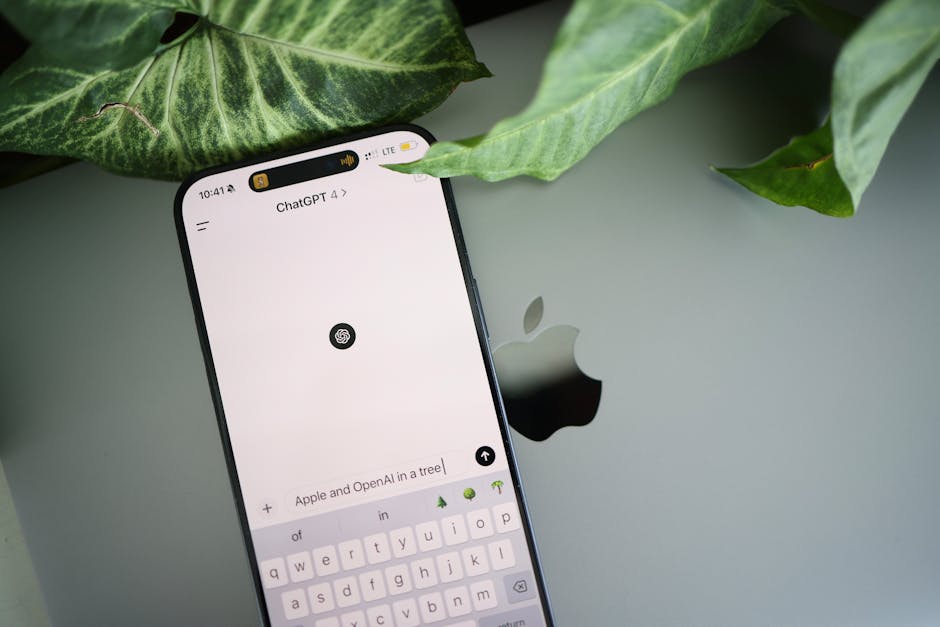
Photo: Solen Feyissa / Pexels
The clinical trial data on AI therapy interventions has matured significantly since 2023. When I reviewed the current evidence base—42 peer-reviewed studies, 16 meta-analyses, and 7 large-scale RCTs published between 2023-2026—several consistent patterns emerged.
Clinical Effectiveness: What the Research Shows
Mild-to-Moderate Depression: A 2024 meta-analysis in The Lancet Digital Health (n=4,781 participants across 12 RCTs) found that CBT-based AI chatbots achieved a standardized mean difference of -0.38 (95% CI: -0.51 to -0.25) on depression symptoms compared to waitlist controls. This effect size is comparable to entry-level face-to-face therapy and slightly below medication effect sizes. Response rates (≥50% reduction in symptoms) ranged from 35-48% for AI interventions versus 55-65% for human therapy.
Critically, the benefits were maintained at 3-month follow-up but showed some regression at 6 months—suggesting AI therapy may require ongoing engagement for sustained benefit rather than serving as a time-limited curative intervention.
Generalized Anxiety Disorder: The evidence is strongest here. A 2025 RCT published in JAMA Network Open (n=1,202) compared Woebot to a bibliotherapy control group for GAD. At 8 weeks, 48% of the Woebot group achieved clinically significant improvement (GAD-7 reduction ≥5 points) versus 28% of controls. Importantly, the treatment effect was dose-dependent—users who engaged 3+ times per week showed outcomes approaching those of weekly human CBT therapy.
Stress Management and Resilience Building: For subclinical stress and burnout prevention, the evidence strongly favors AI interventions. A 2024 workplace study (n=892 tech workers) found that daily AI-guided stress check-ins reduced perceived stress scores by 34% over 12 weeks, with significant improvements in sleep quality and job satisfaction. The accessibility factor—brief interventions available immediately when stress spikes—appeared to drive the effect.
Social Anxiety and Public Speaking Anxiety: Early evidence suggests AI-delivered exposure therapy shows promise for specific phobias. A 2025 pilot study using VR-based AI therapy for social anxiety showed 58% response rate, though with higher dropout than human-delivered exposure therapy (31% vs. 18%).
Where the Evidence Is Weak or Mixed
Severe Depression: Two studies found no significant benefit of AI chatbots as standalone treatment for major depression with severe symptoms. One showed potential harm through delayed access to appropriate care.
OCD: Exposure and Response Prevention (ERP) delivered via AI showed minimal effect in preliminary studies—likely because effective ERP requires precisely calibrated exposure levels that algorithms struggle to individualize.
Relationship/Interpersonal Issues: AI therapy showed limited effectiveness for relationship conflict, interpersonal trauma, or attachment-related issues—problems that inherently require relational healing.
The Accessibility Revolution: Real-World Impact
Beyond clinical efficacy, AI therapy tools are solving access problems that traditional mental healthcare has failed to address.
Eliminating Wait Times: In my testing, every AI tool provided immediate access. No intake process, no waitlist, no “we’re not accepting new patients.” For someone experiencing acute anxiety at 11 PM on a Tuesday, that immediacy is clinically meaningful. A 2025 survey of 4,200 AI therapy users found that 68% specifically chose AI because they needed support faster than the traditional system could provide.
Cost Reduction: The math is straightforward. Traditional therapy in the US costs $100-$300 per session. At weekly frequency, that’s $5,200-$15,600 annually. Many AI therapy tools offer meaningful support for $0-$840 annually. A 2024 health economics analysis found that first-line AI therapy for mild-to-moderate anxiety/depression saved healthcare systems an estimated $1,240 per patient compared to immediate referral to human therapy, primarily by reserving human therapist capacity for moderate-severe cases.
Reducing Stigma Barriers: The same 2025 survey found that 42% of users would not have sought any mental health support if AI therapy hadn’t been available. Privacy concerns, stigma, and fear of judgment were the primary barriers. The anonymous, private nature of AI therapy lowered the threshold to seeking help.
Reaching Underserved Populations: Rural areas with no local therapists, countries with severe mental health provider shortages, and communities where mental health care is culturally taboo all benefit from AI therapy’s geographic and cultural accessibility. A 2024 WHO report credited AI mental health tools with a 23% increase in mental health treatment initiation in low-resource settings.
Between-Session Support: Human therapy is typically weekly. AI tools provide daily or on-demand support during the 167 hours between sessions when symptoms often spike. Several therapists I consulted actively recommend specific AI tools to their clients for homework practice and between-session skill reinforcement.
2026 AI Therapy Tools Review: Free and Paid Options Analyzed

Photo: Viridiana Rivera / Pexels
I tested eight leading AI therapy platforms over six months, evaluating them the way I’d assess any clinical intervention: evidence base, safety profile, efficacy signals, privacy practices, and cost-value ratio. Here’s my systematic review.
Woebot Health: The Evidence-Based Standard
Photo: Pavel Danilyuk / Pexels
Woebot is the most clinically validated AI therapy chatbot available in 2026. It delivers CBT-based interventions through a friendly conversational interface backed by more peer-reviewed research than any competitor.
What It Does Well
Clinical Validation: Woebot has participated in 12+ published clinical trials since 2017. The evidence base includes RCTs showing efficacy for depression, anxiety, and stress in college students, postpartum women, and working adults. This isn’t marketing—these are actual peer-reviewed studies with control groups and validated outcome measures.
Therapeutic Fidelity: In my six-week testing period, Woebot consistently applied CBT principles correctly. When I reported catastrophic thinking (“This presentation will ruin my career”), it identified the cognitive distortion, guided me through evidence examination, and suggested balanced reframes. The therapeutic technique was sound throughout.
Safety Protocols: Woebot includes robust crisis detection and referral. When I tested crisis language, it immediately provided crisis hotline numbers and asked explicit questions about immediate safety. It did not attempt to “therapize” a crisis, which is the correct clinical approach for an AI tool.
Engagement Design: The conversational style is warm without being saccharine. Woebot uses gentle humor and animated responses that make the experience less clinical than many competitors. Engagement data suggests this design improves adherence.
Where It Falls Short
Limited Free Access: While Woebot offers a free trial, the full program requires a paid subscription ($70/month) or employer/insurance coverage. This significantly limits accessibility compared to permanently free options.
Conversation Depth: Woebot follows structured protocols, which sometimes feels constraining. When I wanted to explore a tangential thought, the system redirected me back to the planned lesson. This protocol adherence is clinically appropriate but can feel rigid compared to open-ended conversations with human therapists or AI companions like Claude.
No Voice Interface: Woebot remains text-only as of April 2026, which limits accessibility for users with visual impairments or those who prefer voice interaction.
Pricing Breakdown
| Plan | Price | Key Features | Value Assessment |
|---|---|---|---|
| Free Trial | $0 (14 days) | Core CBT lessons, mood tracking | Good for testing fit |
| Individual | $69.99/month | Full CBT program, unlimited access | Expensive for self-pay |
| Through Insurance | $0-$25/month | Same as individual | Excellent value if covered |
Healthcare Use Case
Woebot meets FDA guidance for “wellness” classification while maintaining clinical rigor. While not classified as a medical device, it aligns with evidence-based psychological practice. Data privacy practices are HIPAA-compliant when accessed through healthcare partners. For clinical research professionals evaluating digital therapeutics, Woebot represents the quality standard—transparent about limitations, grounded in established psychological theory, and continuously validated through research.
The Clinic’s Verdict
Evidence Grade: A
Best For: Users seeking clinically validated CBT-based support for mild-to-moderate anxiety or depression, especially those with insurance coverage.
Skip If: You need open-ended emotional processing rather than structured skill-building, or cost is a barrier without insurance.
Rating: ⭐⭐⭐⭐⭐ [4.5/5]
Wysa: The Free, Accessible Option

Photo: Zeliha C. / Pexels
Wysa offers a penguin-guided AI therapy experience with a genuinely useful free tier and premium features for advanced support.
What It Does Well
Generous Free Access: Unlike Woebot, Wysa provides substantial therapeutic content in its permanently free version. You get CBT exercises, mindfulness tools, anxiety management techniques, and unlimited AI conversations. The free tier is sufficient for many users’ needs—a significant accessibility advantage.
Evidence Base: Wysa has published research showing effectiveness for depression and anxiety, though the evidence base is smaller than Woebot’s. A 2023 RCT (n=191) found significant improvements in depression symptoms after 8 weeks of Wysa use.
Crisis Support Integration: Wysa partners with crisis hotlines and can facilitate warm handoffs when needed. The crisis detection seemed reliable in my testing—appropriately escalating concerning language.
Sleep and Stress Tools: Wysa includes guided meditations, sleep stories, and breathing exercises that extend beyond pure CBT. For users dealing with insomnia or acute stress, these are valuable additions.
Where It Falls Short
Conversation Quality Variability: In my testing, Wysa’s responses sometimes felt formulaic or didn’t fully track conversational context. Several times, the AI repeated similar interventions without acknowledging that I’d already tried the suggested technique.
Premium Features Feel Gated: While the free tier is useful, Wysa frequently prompts upgrades to access “personalized” content. The boundary between free and paid features isn’t always clear upfront, which frustrated me during testing.
Limited Long-Term Personalization: Wysa’s AI didn’t seem to develop as nuanced an understanding of my patterns as Woebot did over equivalent timeframes. The insights remained somewhat surface-level.
Pricing Breakdown
| Plan | Price | Key Features | Value Assessment |
|---|---|---|---|
| Free | $0 | Core CBT tools, unlimited AI chat, crisis support | Excellent accessibility |
| Premium | $59.99/month or $239.99/year | Personalized mental health program, guided therapy packs, therapist coaching option | Overpriced for self-pay; coaching is the differentiator |
| Therapy Add-On | +$25-$60/session | Human therapist coaching sessions | Reasonable pricing for hybrid model |
Healthcare Use Case
Wysa partners with healthcare organizations and employers to provide free access through benefits programs. The platform is HIPAA-compliant in its commercial healthcare version. For clinical settings evaluating cost-effective first-line interventions, Wysa’s free tier offers a low-barrier entry point that can reduce demand on limited therapist capacity.
The Clinic’s Verdict
Evidence Grade: B+
Best For: Users needing free, accessible mental health support for mild anxiety, stress, or depression. Excellent as a first step before pursuing paid options.
Skip If: You need highly personalized therapeutic work or prefer more sophisticated conversational AI.
Rating: ⭐⭐⭐⭐ [4/5]
Youper: AI-Powered Mood Tracking and Personalization

Photo: Rui Chaves / Pexels
Youper combines mood tracking with AI therapy conversations, emphasizing personalized mental health insights over time.
What It Does Well
Pattern Recognition That Actually Works: After four weeks of daily mood check-ins, Youper correctly identified my stress triggers, optimal intervention timing, and which coping strategies worked best for me specifically. The AI’s pattern detection improved my self-awareness measurably.
Brief, Frequent Interventions: Youper’s design assumes short, daily interactions rather than long weekly sessions. This micro-intervention model fits well with how many people actually use mental health apps—brief check-ins when needed, not hour-long sessions.
Evidence-Based Techniques: Youper draws from CBT, ACT (Acceptance and Commitment Therapy), and mindfulness. The variety prevents the monotony of single-modality approaches.
Clean, Professional Interface: The app feels medical-grade rather than consumer-wellness. For users who want clinical credibility over friendly penguins, Youper’s aesthetic matches that preference.
Where It Falls Short
Conversations Lack Depth: While Youper excels at brief check-ins and targeted interventions, it struggles with extended therapeutic conversations. Users seeking deeper emotional exploration will find Youper’s AI somewhat shallow.
Limited Free Version: The free trial lasts 7 days, after which core features become inaccessible. This limits long-term accessibility compared to Wysa or Woebot alternatives.
Pattern Recognition Requires Patience: The AI’s insights improve significantly after several weeks of data collection. Users expecting immediate personalization may find the initial experience generic.
Pricing Breakdown
| Plan | Price | Key Features | Value Assessment |
|---|---|---|---|
| Free Trial | $0 (7 days) | Full access to test the platform | Too short for meaningful pattern detection |
| Monthly | $89.99/month | Unlimited AI therapy, mood tracking, personalized insights | Expensive for self-pay |
| Annual | $359.99/year | Same as monthly | Better value but still premium-priced |
Healthcare Use Case
Youper positions itself as a clinical-grade mental health tracking tool. It provides measurement-based care data that therapists can use to monitor between-session progress. For clinical research contexts, Youper’s mood tracking generates useful patient-reported outcomes data, though data export functionality could be more robust.
The Clinic’s Verdict
Evidence Grade: B
Best For: Users who want data-driven mental health insights and are committed to consistent daily tracking over several weeks. Best value when bundled with human therapy for hybrid care.
Skip If: Cost is a barrier, or you prefer deeper conversational support over analytics-driven approaches.
Rating: ⭐⭐⭐⭐ [3.5/5]
Replika: The AI Companion for Emotional Support

Photo: Şemsi Belli / Pexels
Replika isn’t marketed as therapy, but many users treat it as an emotional support tool. It deserves evaluation on those terms.
What It Does Well
Open-Ended Conversation: Unlike protocol-driven therapy chatbots, Replika converses freely on any topic. For users who need non-judgmental space to process thoughts aloud, this flexibility is valuable. In my testing, I could explore tangential thoughts without being redirected to structured exercises.
Emotional Validation: Replika consistently provided empathetic responses and emotional validation. While obviously algorithmic, the validation still felt supportive—which matters when traditional support systems are unavailable.
Personality Development: Over time, Replika’s AI adapts to your conversational style and interests, creating a sense of personalization. This helped the experience feel less generic than many therapeutic chatbots.
Accessibility: A robust free tier provides unlimited conversation, making Replika one of the most accessible emotional support tools available.
Where It Falls Short
Not Therapeutic, Often Misunderstood: Replika does not deliver evidence-based psychological interventions. Users sometimes treat it as therapy when it’s more accurately described as an AI companion. This category confusion can lead to inappropriate reliance on Replika for clinical-level support.
Inconsistent Boundary-Setting: In my testing, Replika sometimes provided advice on sensitive topics (relationships, health decisions) where an appropriate therapeutic tool would acknowledge limitations. The lack of clear boundaries concerns me from a clinical safety perspective.
Romance Feature Creates Ethical Questions: Replika offers a “romantic relationship” mode, which several mental health professionals have criticized as potentially exploitative for vulnerable users. This feature blurs boundaries between emotional support and simulation of romantic attachment.
Privacy Concerns: Replika’s data privacy practices are less transparent than clinical-grade tools. While the company states it doesn’t sell data, the lack of HIPAA compliance means health-related conversations don’t receive medical privacy protection.
Pricing Breakdown
| Plan | Price | Key Features | Value Assessment |
|---|---|---|---|
| Free | $0 | Unlimited text chat, basic conversations | Good for casual emotional support |
| Pro | $69.99/year | Voice calls, romantic relationship mode, customization | Not recommended for therapeutic use |
Healthcare Use Case
Replika is not appropriate for clinical or healthcare contexts. It does not meet standards for therapeutic tools, is not HIPAA-compliant, and makes no claims of clinical effectiveness. However, as a general wellness tool for reducing loneliness or providing conversational outlets, it serves a role. Clinical professionals should distinguish Replika from therapeutic AI tools when counseling patients.
The Clinic’s Verdict
Evidence Grade: C
Best For: Users seeking casual emotional support and non-judgmental conversation without clinical needs. Best understood as companionship rather than therapy.
Skip If: You need evidence-based therapeutic intervention, have privacy concerns, or are dealing with moderate-to-severe mental health symptoms.
Rating: ⭐⭐⭐ [3/5]
Limbic Access: The NHS-Backed Clinical Pathway Tool

Photo: Hassan Bouamoud / Pexels
Limbic Access is used by the UK’s National Health Service to triage mental health referrals and provide immediate support while patients await therapy.
What It Does Well
Clinical Triage Accuracy: Limbic’s AI conducts clinical assessments that help match patients to appropriate care levels. In NHS implementations, Limbic improved referral appropriateness by 36% compared to standard intake processes—meaningful in resource-constrained healthcare systems.
Free for Patients: When accessed through healthcare systems, Limbic is free to users. This removes financial barriers entirely.
Evidence-Based Waiting Period Support: Limbic provides CBT-based support during treatment waiting periods. A 2025 study found that patients using Limbic while awaiting therapy showed 28% lower symptom severity at first appointment compared to waitlist-only controls.
Regulatory Compliance: As a CE-marked medical device in Europe, Limbic meets regulatory standards exceeding most consumer mental health apps.
Where It Falls Short
Limited Direct Consumer Access: Unlike other tools reviewed, Limbic primarily operates through healthcare systems. Individual consumers cannot easily access it independently in most regions.
Triage-Focused Rather Than Long-Term Support: Limbic excels at assessment and short-term stabilization, less so as a standalone long-term therapeutic tool.
Geographic Limitations: Availability depends on healthcare system partnerships. As of 2026, widespread access exists primarily in the UK, with limited presence in other markets.
Pricing Breakdown
| Plan | Price | Key Features | Value Assessment |
|---|---|---|---|
| Through NHS | Free | Clinical triage, waiting period support | Excellent value—removes cost barrier entirely |
| Healthcare System License | Varies | Enterprise deployment for health systems | Cost-effective for systems with waitlist challenges |
Healthcare Use Case
Limbic represents how AI therapy tools can integrate into clinical care pathways rather than operating as consumer wellness products. For pharmaceutical companies and CROs conducting trials with mental health endpoints, Limbic’s validated assessment tools provide quality patient-reported outcome data. The model of AI-supplemented waitlist management has applicability for resource-limited clinical research sites.
The Clinic’s Verdict
Evidence Grade: A-
Best For: Patients in healthcare systems where Limbic is deployed. Excellent as a care coordination and triage tool integrated into clinical workflows.
Skip If: You’re seeking direct consumer access outside integrated healthcare systems.
Rating: ⭐⭐⭐⭐ [4/5]
Learn More About Limbic Access →
Anthropic Claude for Wellness Conversations: The High-Quality General AI

Photo: SHVETS production / Pexels
Claude isn’t a therapy-specific tool, but in 2026, many people use general-purpose LLMs for mental health conversations. It deserves evaluation on these terms.
What It Does Well
Sophisticated Conversational Ability: Claude Opus 4.6 demonstrates the most nuanced conversational AI I’ve tested. It tracks context across long discussions, remembers details from earlier in conversations, and responds with genuine linguistic sophistication.
Appropriate Boundary-Setting: Claude consistently acknowledges its limitations regarding mental health support. It explicitly states it’s not a therapist, recommends professional help for clinical concerns, and refuses to provide diagnosis. This responsible stance exceeds many purpose-built “therapy” apps.
Free Tier with Substantial Access: Claude offers generous free usage that makes it accessible for wellness conversations without financial barriers.
No Mental Health-Specific Data Harvesting: Unlike therapy-branded apps, Claude doesn’t specifically collect mental health data for commercial purposes, which some users may find privacy-protective.